Pseudophoenix vinifera
ARECACEAE
•
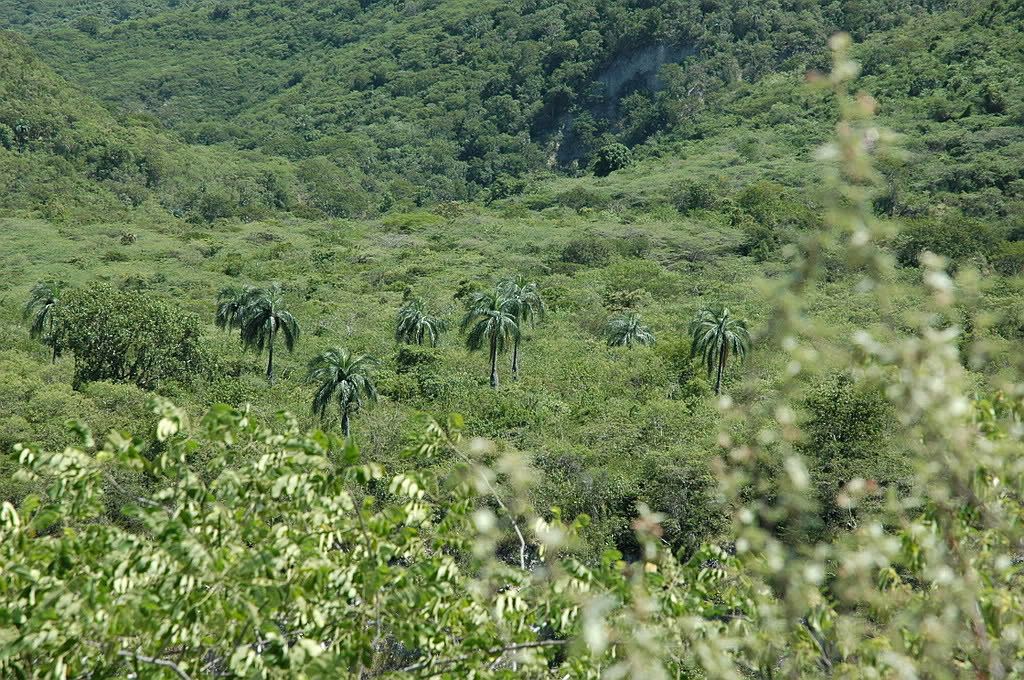
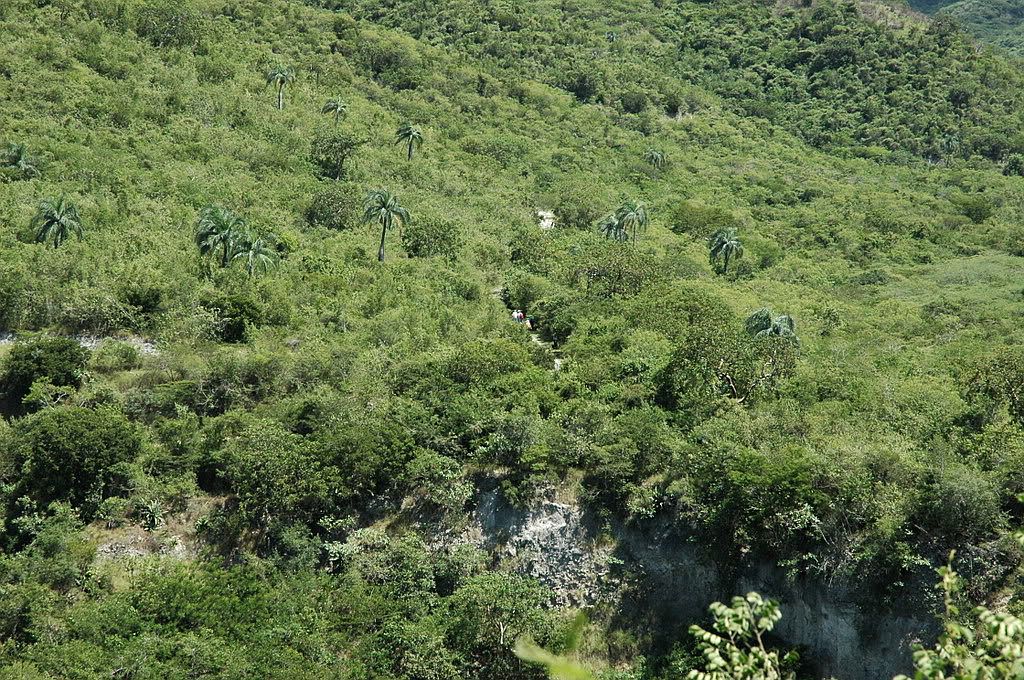
Dominican Republic
Available Inventory
Ready for pickup at Sunfish Gardens
7gal
$125
15gal
$250
25gal
$500
Description
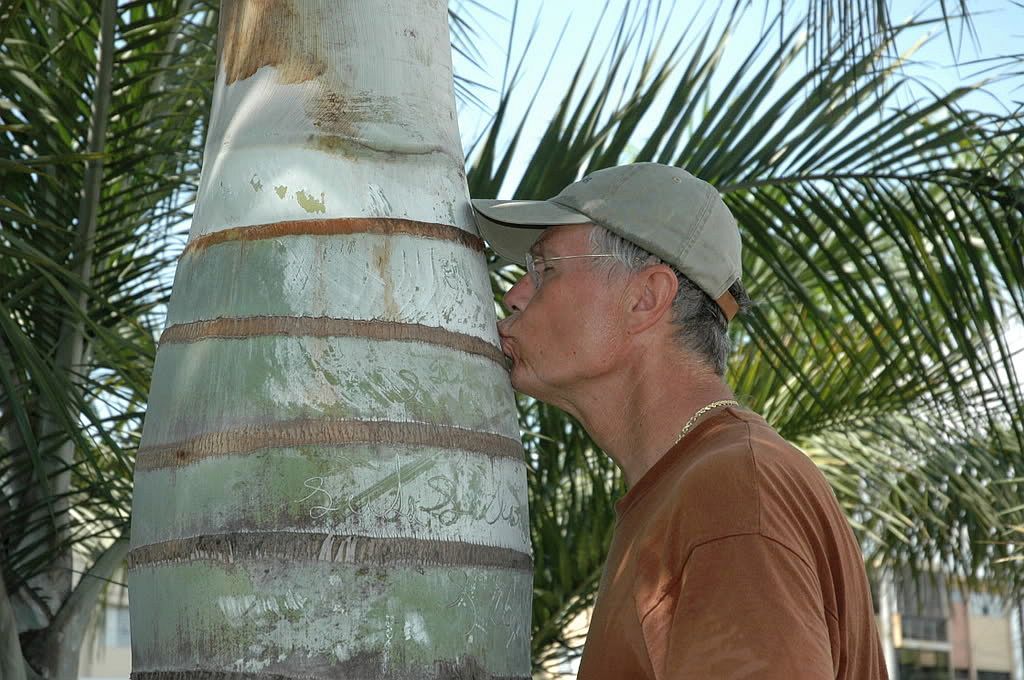
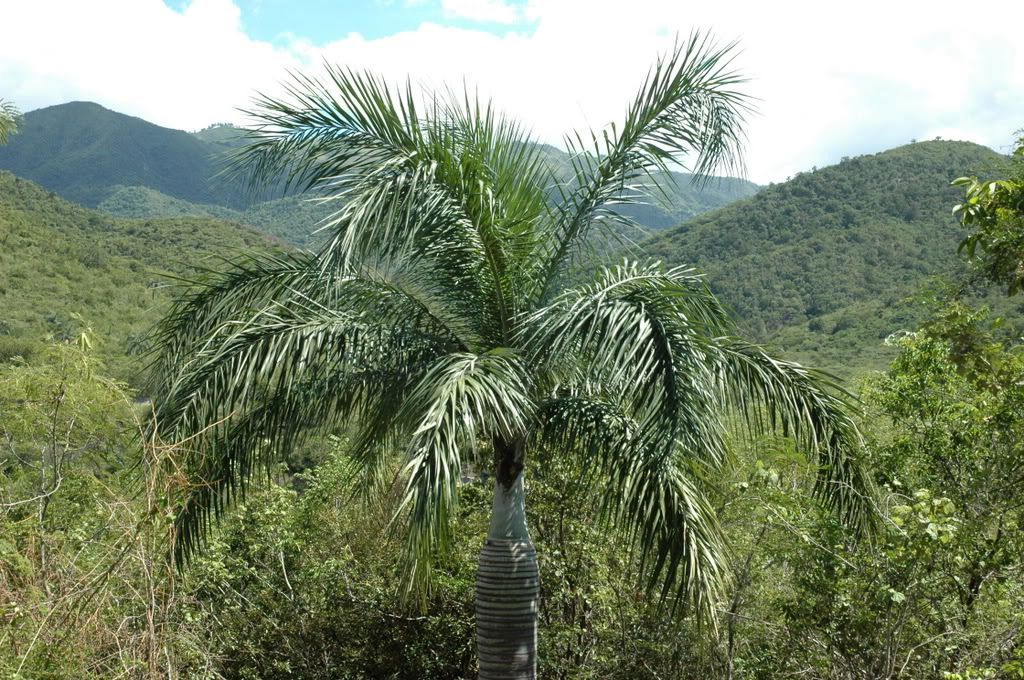
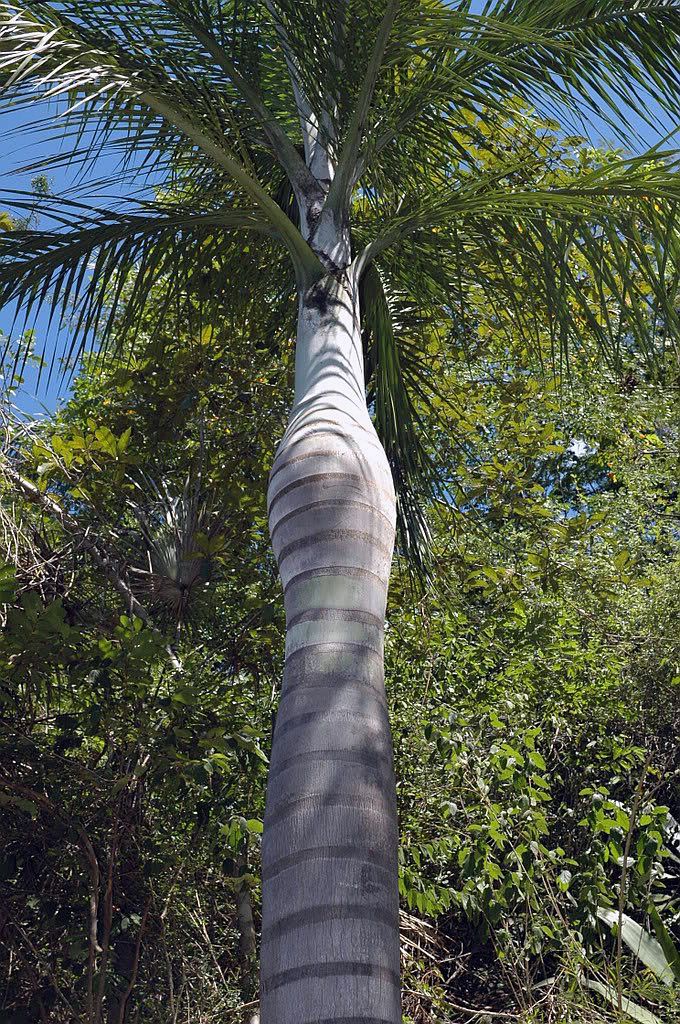
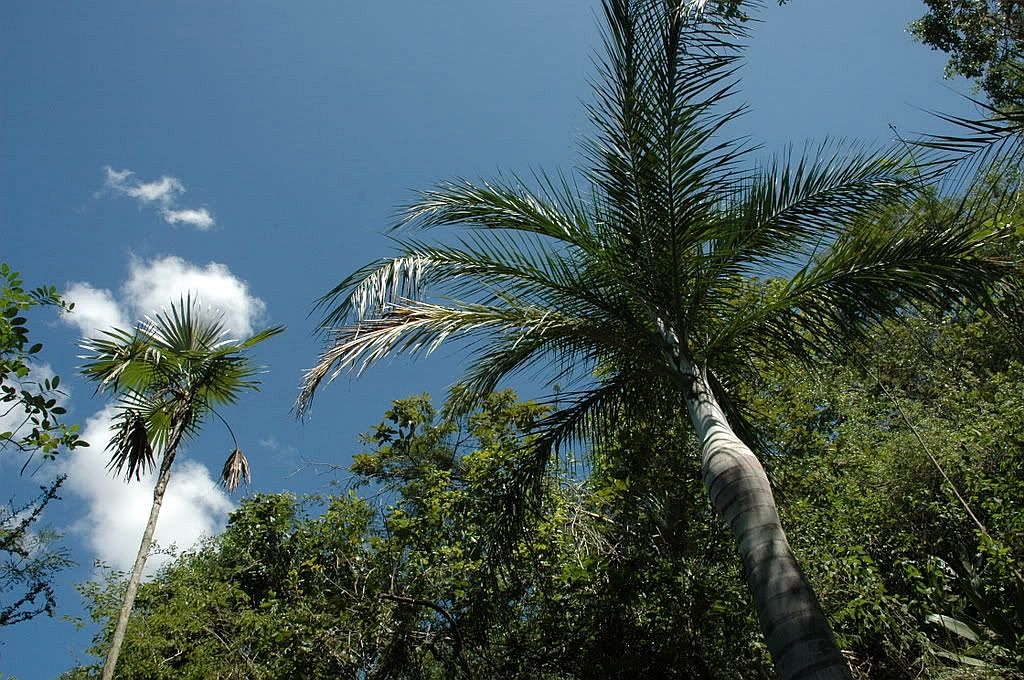
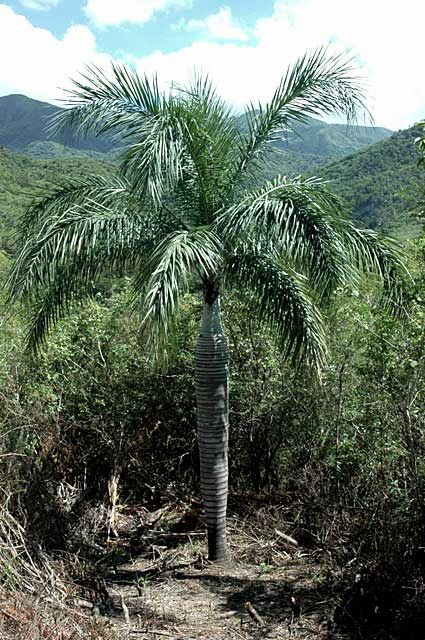
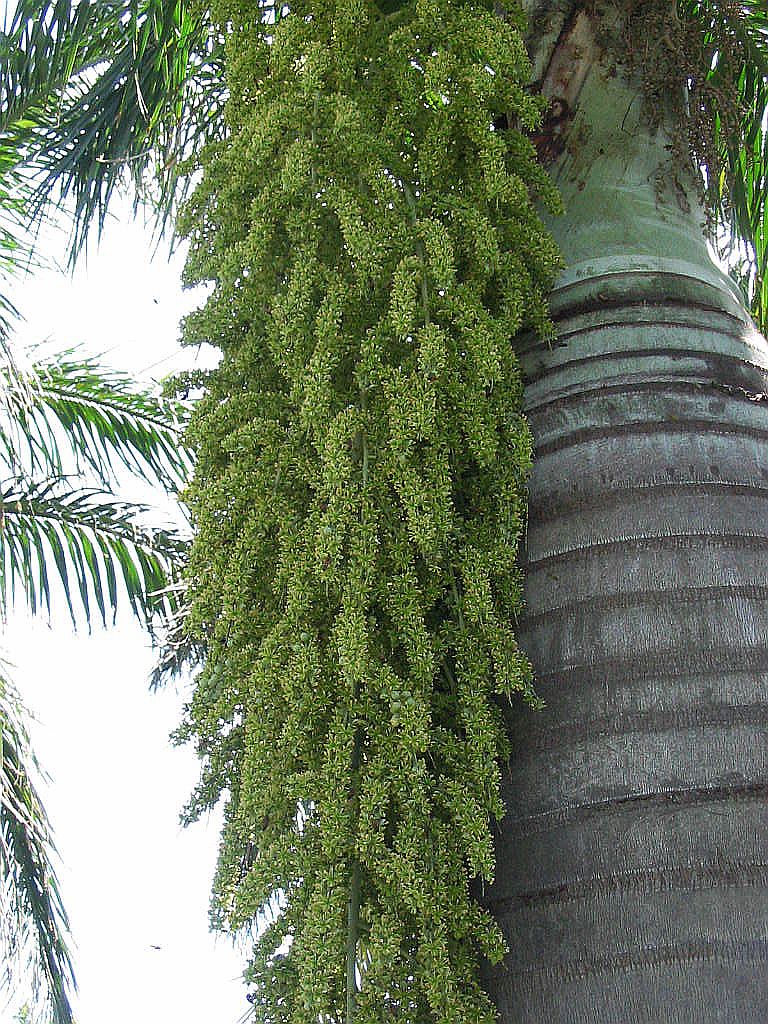
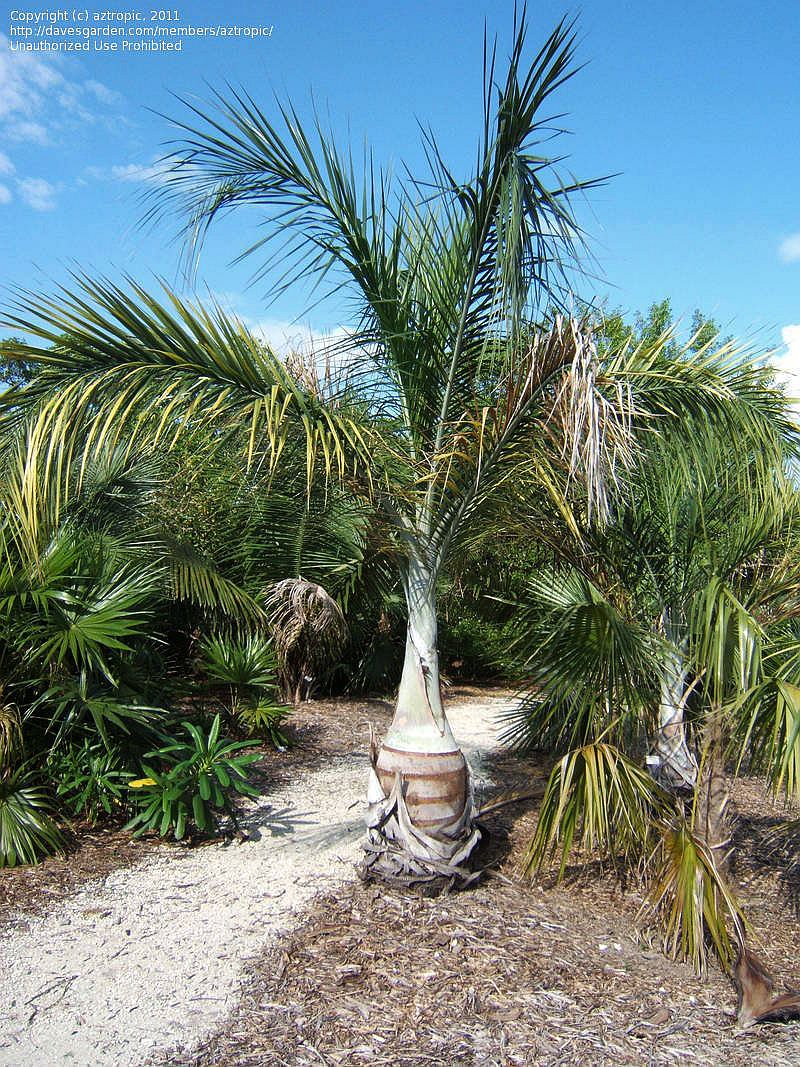
Stem 5–15 m tall, strongly ventricose, most slender above the swelling, gray, with prominent leaf scars when young. Leaves about 24 in the crown, spreading; leaf 2–3 m long; sheath 34–49 cm long, green with silvery gray scales near the apex; petiole 11–30 cm long; rachis 270 cm long, often with brown scales along its margin; leaf segments 115–131 per one side of the rachis; middle leaf segment 53–83 cm long, 1.7–3.1 cm wide, lanceolate with an acuminate tip, gray-green, glaucous abaxially, glaucous to glossy adaxially, ramenta present on the abaxial surface of the midvein at the base of the leaf segment. Inflorescence erect, ascending or arching, branched to 2 or 3 orders, about 125 cm long; peduncle down-curved, extending well beyond the leaf bases, glabrous; prophyll 102–156 cm long, about 8 cm wide, bearing dark brown scales along both edges (keels); inner bract about 50 cm long, bearing dark brown scales along both edges; rachillae 12.0–19.5 cm long and 1.5–2.6 mm in diam., directed toward the apex of the inflorescence. Flower pseudopedicel (0.8–)2.5–4.4 mm long, 0.8–1.5 mm in diam., green to glaucous; calyx a shallow triangular cupule, 3.1–5.9 mm in diam., green to glaucous, margins hyaline; petals ovate, 6.4–8.9 mm long, 4.6–5.8 mm wide, green, glaucous abaxially, spreading, with about 24 major veins; filaments 4.2–5.1 mm long, basally connate forming a short staminal tube, anthers ovoid, 5.1–6.1 mm long, 2.4–2.9 mm wide, yellow; gynoecium (in bisexual flowers) 4.4–6.1 mm long, 2.5–3.7 mm in diam. (pistillode in staminate flowers smaller), green. Fruit 17.6–23.7 mm long, 16.2–20.2 mm in diam. (in single-seeded fruits); endocarp 15.2–16.9 mm long, 13.9–16.0 mm in diam., 0.2–0.4 mm thick. Seed 11.1–14.7 mm long, 10.6–14.5 mm in diam. (S. Zona. 2002)/Palmweb.
Pseudophoenix vinifera is distinguished from its congeners by its strongly bottle-shaped stem at maturity, its distally directed rachillae and its triangular calyx. In gross appearance, it most closely resembles P. ekmanii, but in aspects of the inflorescence, flower and fruit, it resembles P. lediniana. (S. Zona. 2002)/Palmweb.
Pseudophoenix vinifera is distinguished from its congeners by its strongly bottle-shaped stem at maturity, its distally directed rachillae and its triangular calyx. In gross appearance, it most closely resembles P. ekmanii, but in aspects of the inflorescence, flower and fruit, it resembles P. lediniana. (S. Zona. 2002)/Palmweb.
Culture & Care
Sunny, well drained position. Drought tolerant. Very slow growing. Cold Hardiness Zone: 10a
"My experience over several years has been that P. vinifera is only slightly less cold hardy than P. sargentii. This winter season, I had a very unusual cold blast for 4 nights in a row (26 F,25 F,25 F,and 28 F were the minimum temps.) Over a dozen P. sargentii planted around the yard were totally unprotected and received little to no damage. A 10 ft overall P.vinifera in the middle of the yard (unprotected) took 50% freeze burn but has already pushed 1 inch of new spear over the last 3 weeks.A smaller 6 ft overall P.vinifera close to the house only took 10% burn and has also pushed a new inch of spear. I live in a desert with humidity often only 5 - 10% and don't remember seeing frost on any plants,although cars and the roofs of houses will get frost a few times each year. In my opinion,they are pretty darn hardy as other palms around the yard like triangles,foxtails,and cuban royals were completely defoliated!" (Scott (aztropic))
"My experience over several years has been that P. vinifera is only slightly less cold hardy than P. sargentii. This winter season, I had a very unusual cold blast for 4 nights in a row (26 F,25 F,25 F,and 28 F were the minimum temps.) Over a dozen P. sargentii planted around the yard were totally unprotected and received little to no damage. A 10 ft overall P.vinifera in the middle of the yard (unprotected) took 50% freeze burn but has already pushed 1 inch of new spear over the last 3 weeks.A smaller 6 ft overall P.vinifera close to the house only took 10% burn and has also pushed a new inch of spear. I live in a desert with humidity often only 5 - 10% and don't remember seeing frost on any plants,although cars and the roofs of houses will get frost a few times each year. In my opinion,they are pretty darn hardy as other palms around the yard like triangles,foxtails,and cuban royals were completely defoliated!" (Scott (aztropic))
/